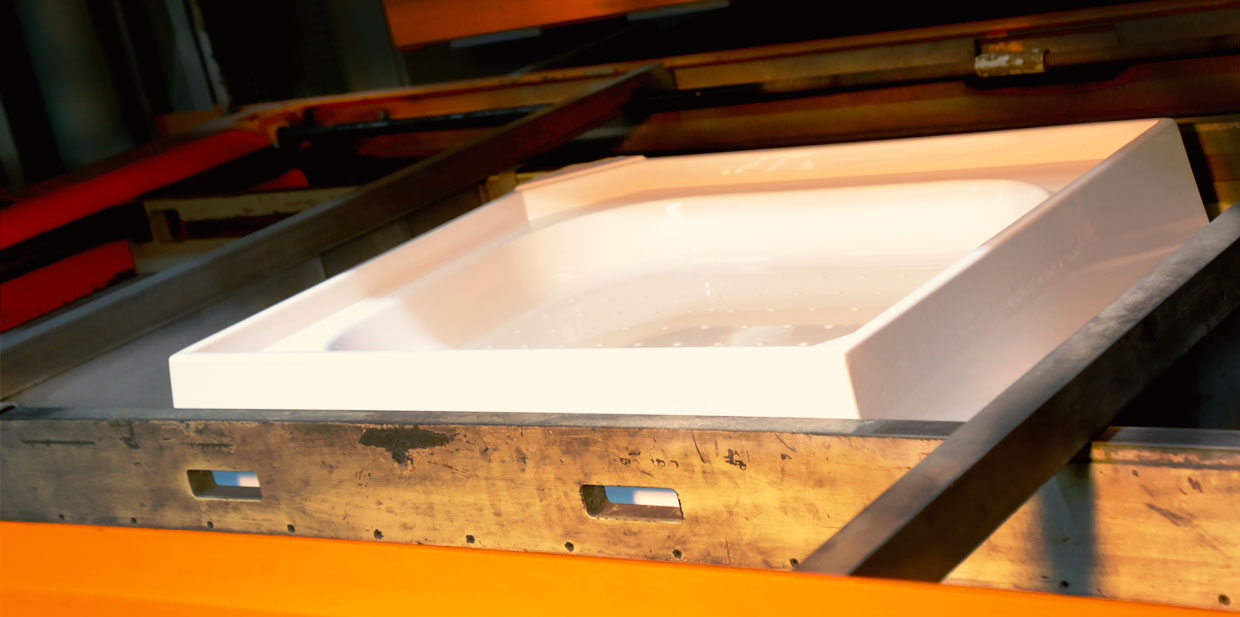
Vacuum Forming Plastics: How to Choose the Right Material
The plastic you choose for a vacuum formed part decides how it copes with impact, heat, chemicals, and daily handling, so it pays to settle it early in the design stage.
At Plas-Tech, we process a range of vacuum forming materials, including ABS, HIPS, polypropylene, HDPE, and polycarbonate. Each one behaves differently on the tool and in service, and the right choice depends on where your component will end up.
ABS and HIPS for Everyday Components
ABS is one of the most widely used vacuum forming plastics thanks to its good impact strength and clean surface finish. It suits enclosures and interior panels that need to look good and keep their shape in daily use.
HIPS (high impact polystyrene) is lower in cost and forms easily, which makes it a sensible option for trays and display parts where extreme durability is less of a concern.
Polypropylene and HDPE for Tougher Environments
Polypropylene resists many chemicals and copes well with repeated flexing, so it is often specified for parts that come into contact with oils or cleaning agents. HDPE is tough and resistant to moisture, making it a strong choice for outdoor components and heavy-duty liners.
Polycarbonate for Strength and Clarity
Where a part needs high impact resistance or a clear finish, polycarbonate is worth considering. It performs well in demanding applications such as machine guards and protective covers, although it costs more than ABS or HIPS.
Colours, Textures, and Finishes
Material choice also covers how the finished part looks. Across our vacuum forming services, we offer custom and stock colours alongside textures and finishes including embossed, high gloss, soft feel, and decorative foils. Choosing these at the start avoids extra finishing work later on.
Once a part is formed, our 5-axis CNC trimming finishes it to specification, and our value added assembly team can fit brackets, inserts, and hinges so it arrives ready to use.
Why Material Choice Matters for Vacuum Forming in the UK
The right plastic affects how the tool is designed and how long the finished component lasts in service. Because our in-house tool room sits alongside our forming machines, we can trial materials and adjust tooling quickly, from prototyping through to full-scale production.
Every component we make is produced to our ISO 9001:2015 certified quality standards, and our machines can form parts up to 2.4 x 1.4 metres. You can see how this works in practice in our case studies.
Talk to Us About Vacuum Forming Materials
Not sure which plastic suits your part? Our team can talk you through the options based on how the part needs to perform and the budget you are working to. Get in touch with Plas-Tech to discuss your vacuum forming project.