Our Guide to Plastic Forming
Plastic forming covers a lot of ground. Ask ten people what it means, and you’ll probably get ten different answers. Some think of injection moulding. Others picture sheets bending under heat. Both are right, in their own way.
At Plas-Tech, we’ve worked in plastic forming for over 30 years. We thought it was time to explain what this term actually covers, and why it matters for so many products around you.
What Does Plastic Forming Actually Mean?
Plastic forming describes any process that shapes plastic into a useful form. That’s a broad definition, and deliberately so. The category includes several distinct techniques, each with its own strengths.
Plastic forming manufacturers typically specialise in one or two methods rather than trying to do everything. That specialisation allows them to perfect their craft and invest in the right equipment.
The Main Types of Plastic Forming
Let’s break down the most common methods you’ll encounter.
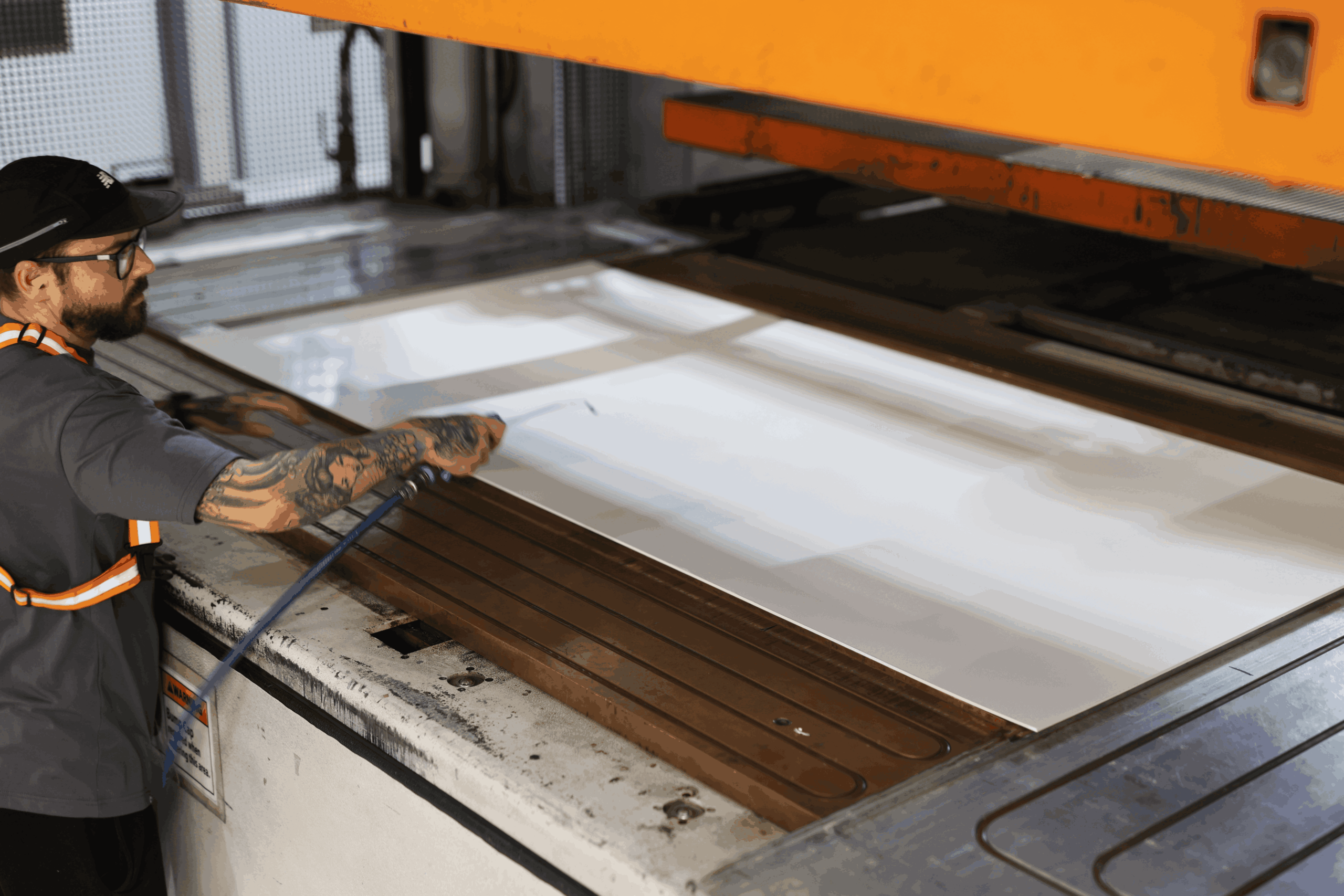
Vacuum Forming A heated plastic sheet stretches over a mould. A vacuum pulls it tight against the surface. The plastic cools and holds its new shape. This method suits low to medium production runs and works brilliantly for larger parts like panels and housings.
Injection Moulding Molten plastic gets injected into a metal mould under high pressure. Once it cools, the part ejects and the cycle repeats. Injection moulding suits massive production runs where tooling costs get spread across huge volumes.
Blow Moulding This method creates hollow parts like bottles and containers. Air pressure inflates heated plastic inside a mould. Think of blowing up a balloon inside a shaped container.
Rotational Moulding Plastic powder rotates inside a heated mould, coating the interior evenly. This creates hollow parts with consistent wall thickness, ideal for tanks and large containers.
Each process suits different products, budgets, and volumes. Choosing the right one makes all the difference to your final result.
Why Does the Method Matter So Much?
Picking the wrong plastic forming process can cost you time and money. A product designed for injection moulding might not translate well to vacuum forming, and vice versa.
Consider these factors when evaluating options:
- Production volume and how it might scale
- Budget available for tooling costs
- Part size and complexity
- Required strength and durability
- Timeline for getting to market
Plastic forming services that understand your full brief can guide you towards the right method from the start. That saves headaches further down the line.
Materials Used Across Plastic Forming
Different processes work with different materials, though there’s plenty of overlap too.
ABS offers strength and impact resistance across most forming methods. HIPS provides a cost-effective option for general applications. Polycarbonate delivers exceptional toughness and clarity. PETG suits food-safe applications particularly well.
Material choice affects more than just performance. It influences cost, weight, recyclability, and how the finished product looks and feels.
Where You’ll Find Plastic Formed Products
Plastic forming touches nearly every industry imaginable. Car interiors, medical equipment, food packaging, and construction machinery all rely on these processes.
Retail displays, appliance parts, and children’s toys often start as raw plastic before forming gives them purpose. Even the plumbing in your house likely involves some form of plastic forming somewhere along the supply chain.
Sustainability in Plastic Forming
Environmental considerations increasingly shape how plastic forming manufacturers operate. Recycled materials now feature heavily in many processes, particularly vacuum forming and rotational moulding.
Energy efficiency matters too. Modern equipment consumes less power than older machinery, and renewable energy sources are becoming more common across the industry.
Waste reduction plays a role as well. Efficient design and material planning minimise offcuts and scrap, whatever forming method you choose.
Finding the Right Plastic Forming Partner
Not all plastic forming services offer the same expertise. Some specialise in high-volume injection moulding. Others, like us, focus on the flexibility that vacuum forming provides.
When evaluating potential partners, ask about:
- Which forming methods they specialise in
- Their experience with your industry
- In-house capabilities versus outsourced stages
- Typical lead times for tooling and production
The right partner should ask plenty of questions too. Understanding your product’s purpose helps them recommend the best approach.
Getting Started with Plastic Forming
Plastic forming offers remarkable versatility once you understand the options available. Whether you need thousands of identical bottles or a handful of custom industrial panels, there’s likely a process that fits.
At Plas-Tech, we specialise in vacuum forming and love discussing how it might suit your project. If vacuum forming isn’t the right fit, we’re happy to point you towards other plastic forming manufacturers who might serve you better.
Get in touch to talk through your project, and we’ll help you find the right path forward.