Is Vacuum Forming Environmentally Friendly?
Sustainability matters more than ever. Businesses across the UK face pressure to reduce waste, cut emissions, and choose greener manufacturing methods. So, where does vacuum forming sit in all this?
At Plas-Tech, we’ve spent years improving our environmental performance whilst delivering quality vac forming services that clients across the UK rely on. Today, we want to give you an honest look at the environmental side of vacuum forming.
The Plastic Question
Let’s address the obvious issue first. Vacuum forming uses plastic, and plastic has an image problem. Fair enough.
However, not all plastic use creates equal environmental impact. The key lies in how you source it, use it, and what happens afterwards.
Many vacuum forming services now work with recycled thermoplastics. Post-consumer and post-industrial plastic gets reprocessed into sheets suitable for forming. This gives waste material new life instead of sending it to landfill.
Some materials like PETG and HIPS recycle particularly well. They can go through multiple cycles without significant degradation.
Material Efficiency
Vacuum forming wastes less material than you might think. The process starts with a plastic sheet cut close to the final size needed. Compare that to machining, which carves away large amounts of material to reach the desired shape.
Offcuts and trim waste from vacuum forming often get collected and recycled. Many vac forming facilities send these scraps back to material suppliers who reprocess them into new sheets.
At Plas-Tech, we calculate material usage carefully during design. Efficient nesting of parts on sheets reduces waste significantly. Better planning at the design stage means less plastic ending up as scrap.
Energy Consumption
Heating plastic sheets takes energy. There’s no getting around that fact. Modern vacuum forming equipment has become far more efficient over recent years though.
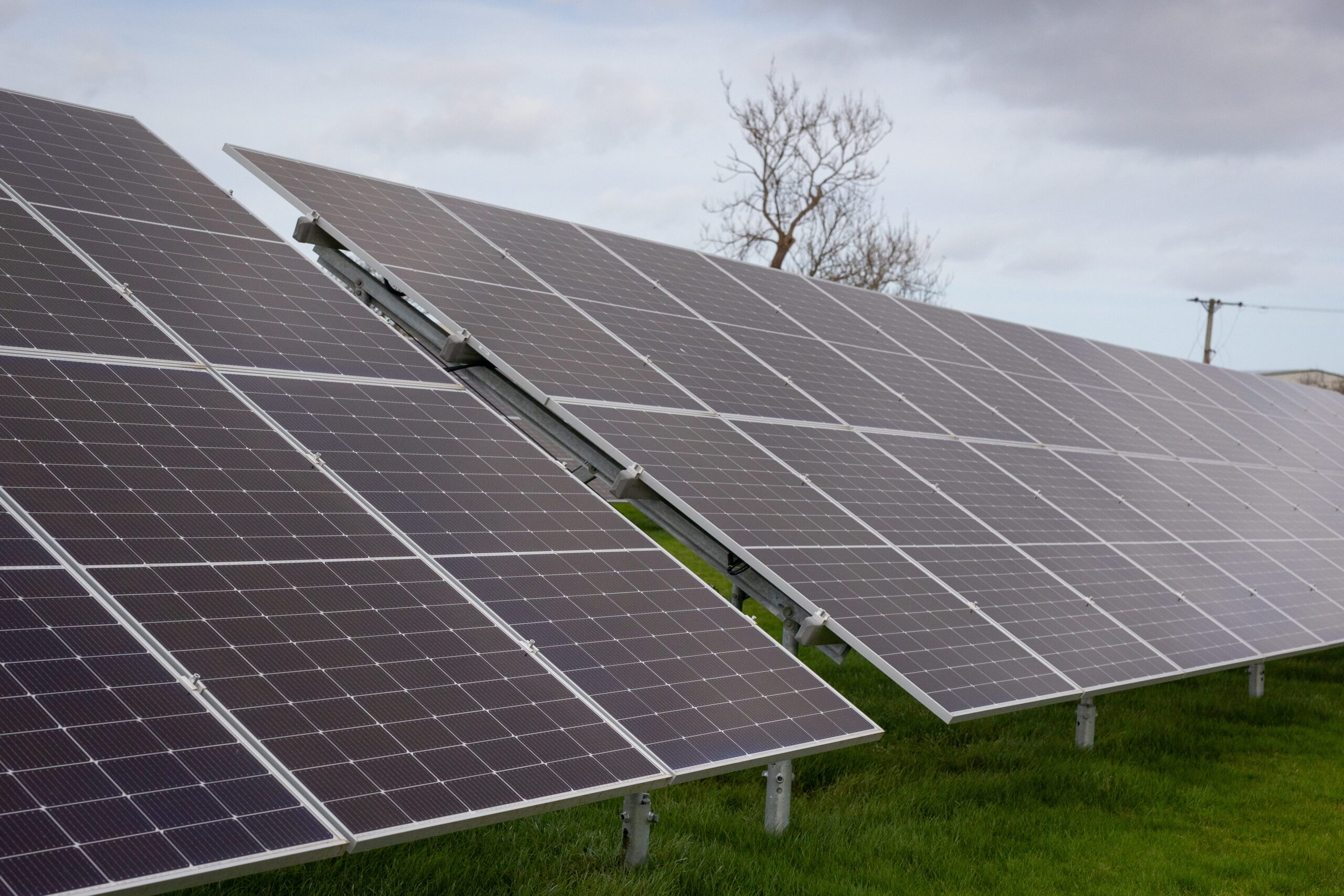
We’ve invested in energy-efficient heating systems that reduce consumption per part. Our facility runs on solar power for much of the year, which cuts our carbon footprint substantially.
Compared to injection moulding, vacuum forming typically uses less energy per cycle. The equipment heats smaller areas for shorter periods. This matters when you consider the cumulative impact of thousands of production runs.
Transport & Weight
Here’s something people often overlook. Vacuum formed products weigh considerably less than metal alternatives. Lighter parts mean lower fuel consumption during transport.
A lorry carrying 5,000 vacuum formed panels uses less diesel than one hauling equivalent metal components. Multiply that across an entire supply chain, and the savings add up.
Vacuum forming manufacturers can produce parts locally too. Shorter supply chains mean fewer emissions from international shipping. Businesses working with domestic vac forming services reduce their transport footprint automatically.
Product Lifespan
Environmental impact doesn’t end at manufacturing. How long a product lasts matters enormously.
Well-designed vacuum formed products serve for years. Car interior panels last the vehicle’s lifetime. Retail displays survive multiple seasons. Industrial housings protect equipment for decades.
Durable products don’t need frequent replacement. That reduces overall material consumption and manufacturing impact over time.
End of Life Considerations
What happens when a vacuum formed product reaches the end of its useful life? Ideally, it enters a recycling stream.
Single-material products recycle most easily. Mixed materials or painted finishes can complicate recycling, though separation technologies continue improving.
Some vacuum forming services now design products with end-of-life in mind. Choosing recyclable materials and avoiding problematic finishes helps products return to the circular economy.
The Bigger Picture
Is vacuum forming perfectly green? No manufacturing process is. Does it offer environmental advantages over some alternatives? Absolutely.
The key lies in making conscious choices throughout the process. Material selection, efficient design, renewable energy, and recyclability all contribute to reducing impact.
At Plas-Tech, we’re committed to improving our environmental performance year on year. Our solar-powered facility, recycled material options, and waste reduction programmes reflect that commitment.
Making Sustainable Choices
If environmental impact concerns you, talk to your vacuum forming services provider about it. Ask about:
- Recycled material availability
- Energy sources for their facility
- Waste management practices
- Design optimisation for material efficiency
Good suppliers welcome these conversations. We certainly do.
Vacuum forming won’t solve every environmental challenge manufacturing faces. But with thoughtful approaches, it can be part of more sustainable production.
Get in touch with us to discuss how our vac forming services can meet your needs whilst supporting your sustainability goals.