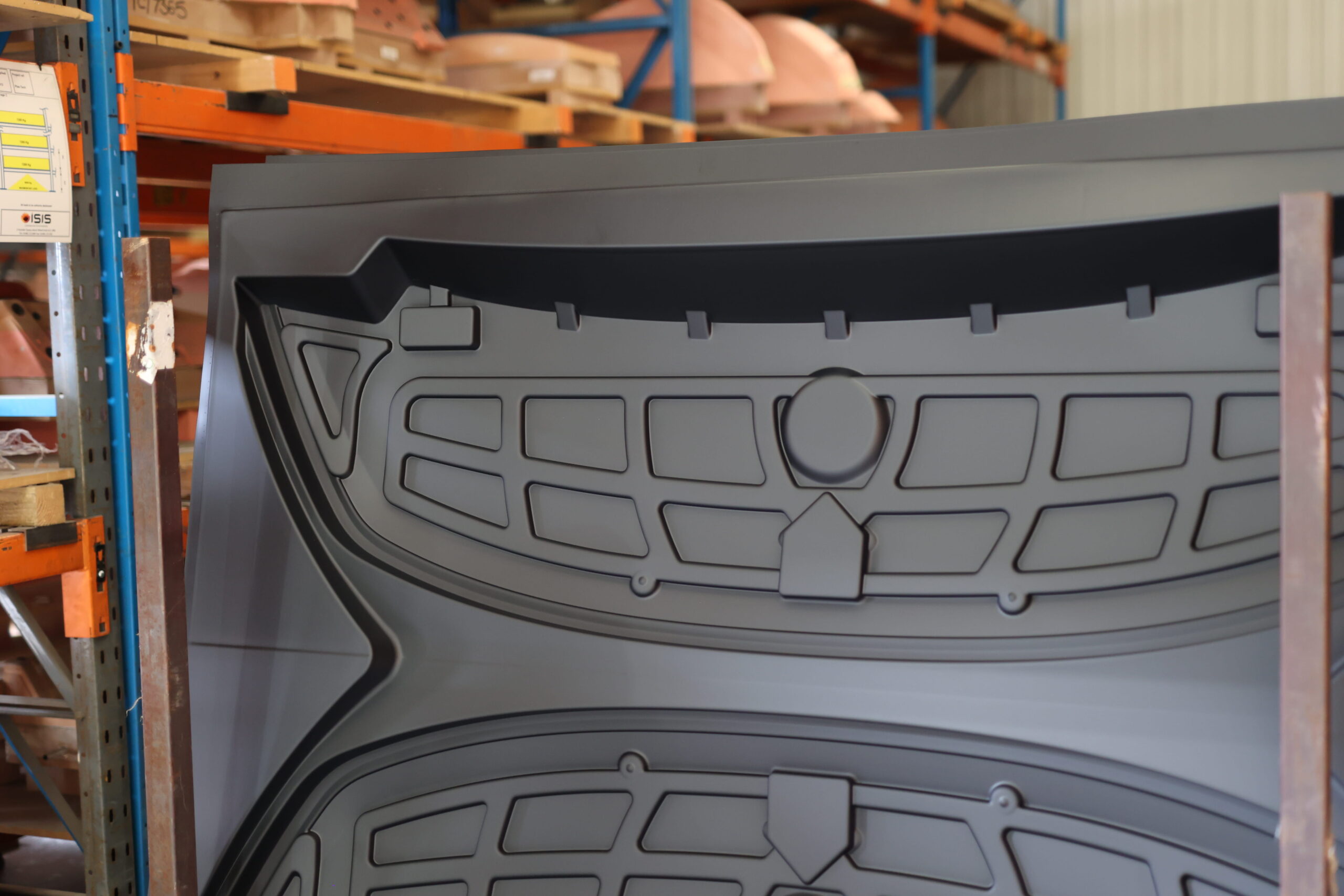
Vacuum Forming Product FAQs
Vacuum forming remains one of the most misunderstood manufacturing processes out there. We hear the same questions time and again from businesses exploring their options. Some answers surprise people. Others confirm what they already suspected.
At Plas-Tech, we’ve spent over 30 years working with vacuum formed products across dozens of industries. Today, we’re tackling the questions that come up most often.
Is Vacuum Forming Only for Plastic Packaging?
Not even close. Packaging represents just a fraction of what vacuum forming creates. The process shapes car dashboards, medical equipment housings, and construction machinery guards. It forms retail displays, refrigerator interiors, and leisure vehicle panels.
Many people assume vacuum forming only handles flimsy trays. In reality, it produces robust components that handle serious wear. The key lies in material selection and design.
Why Choose Vacuum Forming Over Injection Moulding?
Budget and volume usually decide this. Injection moulding needs expensive tooling that only makes sense for massive production runs. Vacuum forming costs far less upfront, which suits smaller batches perfectly.
Lead times differ too. Vacuum forming tooling takes weeks rather than months. That speed matters when you need to test a design or respond to market changes quickly.
If you’re making 100,000 identical bottle caps, injection moulding wins. For 5,000 custom display units that might change next season? Vacuum forming makes more sense.
Can Vacuum Formed Products Look Premium?
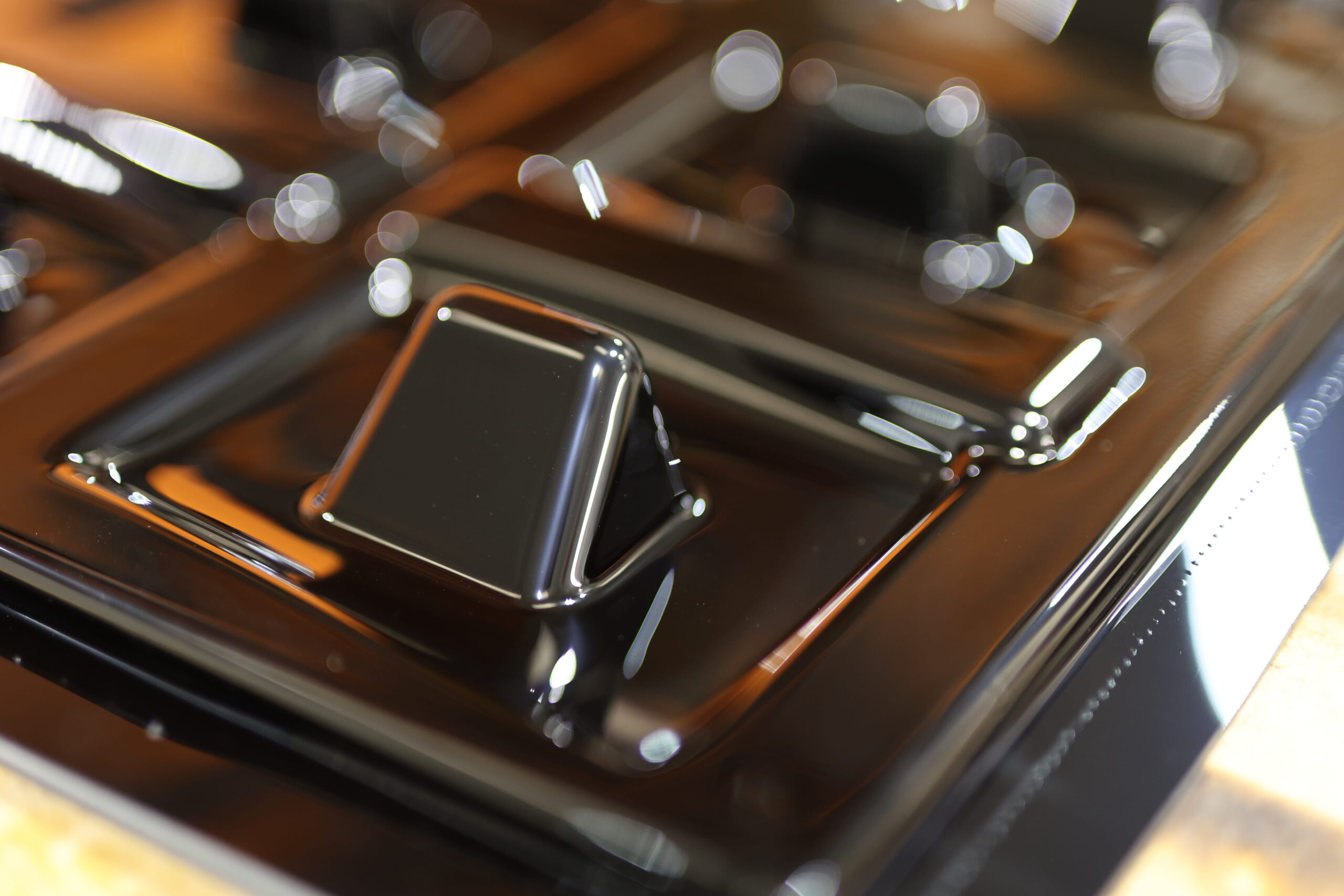
Absolutely. High-gloss finishes, precise colour matching, and smooth surfaces all come standard with proper technique. Many vacuum formed products in shops and showrooms look indistinguishable from injection moulded alternatives.
The mould surface determines the final appearance. A polished mould creates glossy parts. Textured moulds add grip or visual interest. Post-forming finishes like painting, flocking, or foiling enhance appearance even further.
Some of the slickest point-of-sale displays you’ve ever seen started as flat plastic sheets.
What Limits Vacuum Forming?
Complex internal geometry causes problems. The process stretches plastic over a mould, so it struggles with sharp internal corners or undercuts. Deep, narrow features don’t form well either.
Wall thickness varies across each part. Material thins as it stretches, which can be managed but not eliminated. Products needing uniform thickness throughout might need different manufacturing methods.
Extremely fine details sometimes get lost. Tiny text or intricate patterns might not reproduce clearly, depending on the material and depth.
How Do Different Industries Use Vacuum Forming?
Automotive manufacturers love it for interior panels and trim. The parts stay lightweight whilst maintaining strength. Colour matching existing interiors proves straightforward too.
Medical suppliers choose vacuum forming for its clean, hygienic results. Equipment housings, protective covers, and storage trays all benefit from smooth surfaces that resist contamination.
Retailers rely on vacuum formed displays because they combine durability with visual appeal. The process handles complex branding requirements whilst keeping costs reasonable.
Construction equipment uses vacuum formed guards and housings. These parts take daily punishment whilst protecting expensive machinery.
Does Material Choice Really Matter?
Enormously. ABS offers excellent impact resistance for parts that face rough handling. HIPS provides cost-effective strength for general applications. Polycarbonate handles extreme impacts and stays clear for visibility. PETG works brilliantly for food-safe products.
Each material brings different properties. Weight, flexibility, temperature resistance, and clarity all vary. Choosing the wrong material compromises performance, regardless of how well the part forms.
What About Environmental Concerns?
Many vacuum forming materials can be recycled. ABS, HIPS, and PETG all enter recycling streams when disposed of properly. Some manufacturers now use recycled plastic sheets for forming.
The process itself generates relatively little waste compared to machining or some other methods. Offcuts from trimming can often be recycled back into new sheets.
Solar-powered facilities and efficient heating systems further reduce environmental impact. The industry continues moving towards more sustainable practices.
How Long Do Vacuum Formed Products Last?
Lifespan depends entirely on application and material. Indoor retail displays might last several years before wear becomes visible. Automotive interior panels can survive the entire vehicle lifespan. Outdoor applications face tougher conditions and might need replacement sooner.
UV-resistant materials and protective coatings extend outdoor durability significantly. Proper material selection during design ensures parts meet their intended service life.
Still Curious About Vacuum Forming?
The process offers remarkable versatility once you understand its strengths. From medical trays to motorhome panels, vacuum forming services create products that genuinely improve how things work and look.
At Plas-Tech, we help businesses navigate these decisions every day. Our vacuum forming services combine decades of experience with modern manufacturing capabilities.
Get in touch, and let’s discuss how vacuum formed products might fit your needs.